
The Abundance vision is a prioritization of problem-solving
To be or not to be an emergency


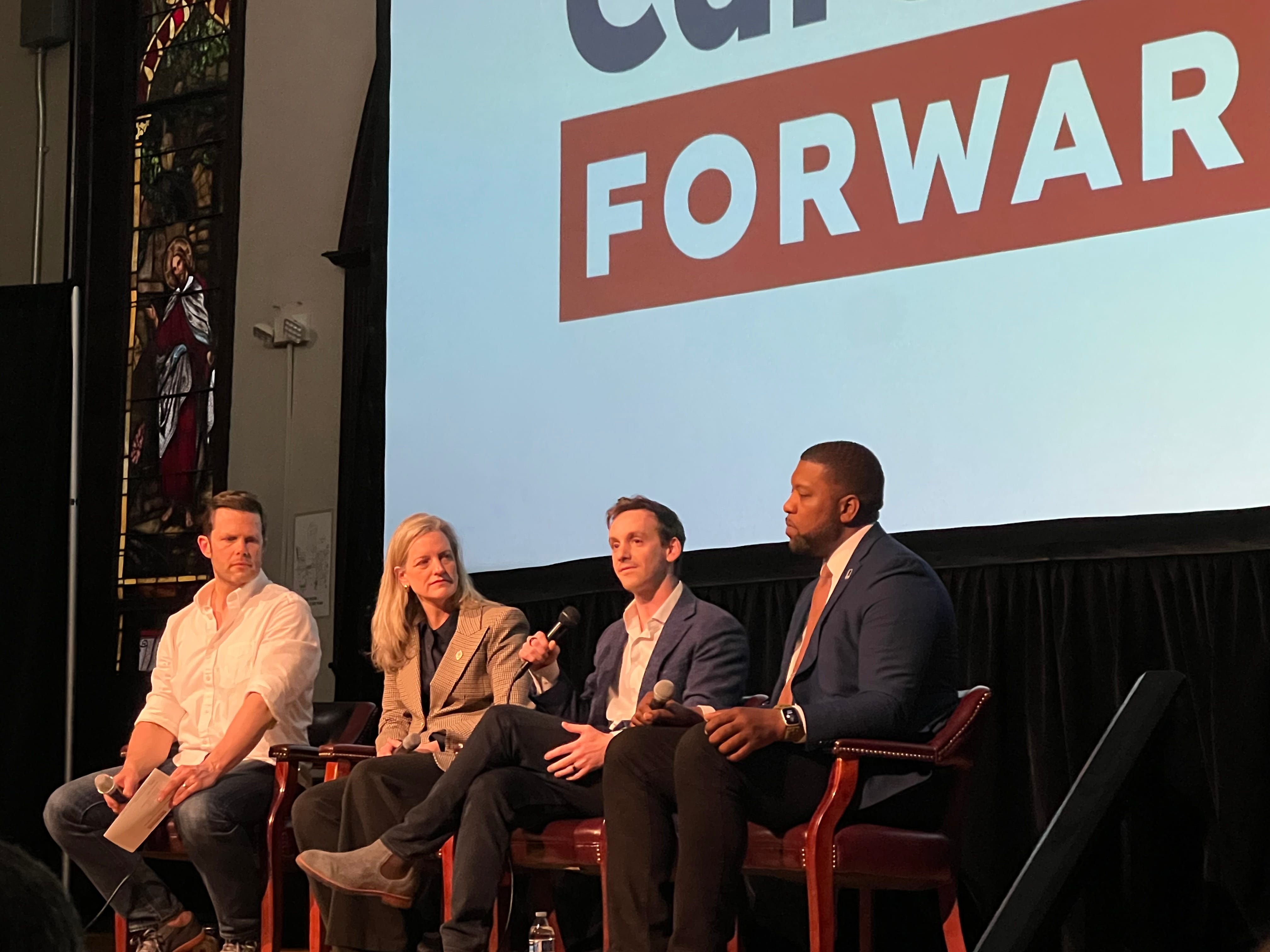
A couple of months ago, I attended a discussion panel on the ‘Abundance’ vision. Derek Thompson, staff writer at The Atlantic and co-author of the book Abundance, sat down with local officials to discuss the framework. His (and NY Times columnist Ezra Klein’s) main points throughout the book emphasize ushering innovation and materializing construction efforts as solutions to supply-side macroeconomic challenges like climate change, housing, homelessness, and transportation.
Thompson analogizes a lack of housing supply, for instance, to a game of musical chairs when multiple people are left without a chair when the music stops. This game has been played all around the country with housing, transportation, and other major community issues since the housing bubble in 2008.
Part of the reason we face shortages in these critical areas is that we treat the big problems in our communities as nuisances, rather than real emergencies. In emergencies, the sole focus is on dedicating energy and effort to solving the shared problem, whatever that may be. One example is Operation Warp Speed, which achieved the much-needed vaccine development, testing, and deployment during the COVID pandemic. Another, more local version, is Gov. Josh Shapiro pushing to rebuild a bridge in Pennsylvania in less than a few weeks, though expected to take years.
Do we not consider rising homelessness an emergency? Do we not consider record housing costs and crumbling infrastructure an emergency? Do we think a lack of clean energy transportation is good? They can be emergencies if we want them to be; we must treat them like one.
Since the panel, I’ve been looking for ways to support the Abundance vision in my home region in North Carolina, especially given our skyrocketing population growth. There have been some big steps forward!
The Raleigh City Council recently voted to allow the rezoning of the area around the Lenovo Center, paving the way for a $1 billion sports and entertainment district that will include up to 2,750 housing units. The problem is that it could take 10-15 years to build. Delays like these are being mimicked nationwide, in big and small communities. Why does it take so long to buildeven though it’s received full approval? We’re not treating these problems as emergencies or a priority; we’re treating them like preferences.
Imagine if it had taken us 10-15 years to get the COVID-19 vaccine rolling out, millions more people would’ve been hospitalized and died. It was an emergency. The emergency we face with housing is that we have too few for too many people. If we want prices to ease and drop, like the number of people contracting the virus, if we want people to have a better opportunity to grab one of the musical chairs when the music runs out, like how we wanted as many people to get the vaccine as possible, we need to develop it, build it, deploy it.
Raleigh, my home city, a leader in building new housing units since 2010, is about 35k housing units short of the demand. One reason for this is the opponents of abundance: the NIMBYs. Some Raleigh residents in the Glenwood neighborhood, for example, are opposing a new development proposal to build a 30-story mixed-use building, making it one of the tallest projects in the city.
NIMBYs and their sympathizers treat new construction as an emergency, instead of focusing on the real crises: the cost of living, homelessness, transportation, and infrastructure. By resisting bold development, they are contributing to--and increasing--the salience of these actual emergencies. The traffic, noise, and burden aren’t an emergency—though most residents treat it as such. And I understand: the highway in front of my apartment has been under construction for over a year.
But unlike many other residents, I am optimistic that these efforts will make it easier and cheaper for people like myself to live there, even if I don’t directly benefit. It will make the city more accessible. The loudness of the construction is nothing compared to the herding of homeless people or skyrocketing housing costs. And these issues aren’t constrained to North Carolina or even the South. If anything, we are doing a much better job, along with Texas, South Carolina, Georgia, Tennessee, Florida, etc., than the Northeast or Midwest—-and much of the West Coast. But doing better than other places doesn’t mean the problem is solved, or that emergencies aren’t all around us. We need to shift our perspective to see them.
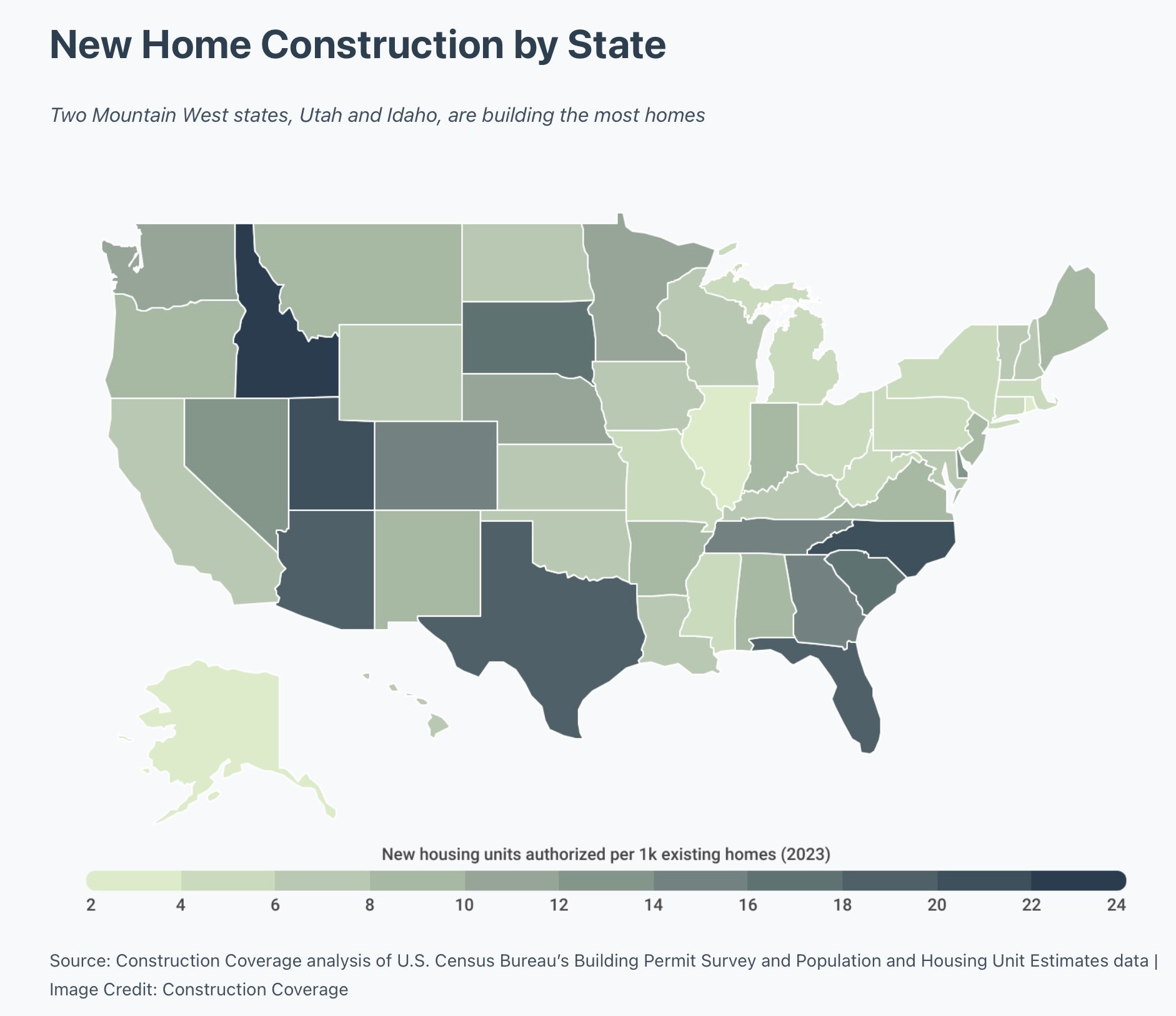
We must start treating housing like the emergency it is by building more, building faster, and building smarter.
Our transportation systems are out of date. Climate change effects ruin communities every year. We must address our community’s challenges with urgency, or risk losing people to places with greater opportunity and more accessibility.
Life shouldn’t feel like a constant game of musical chairs—everyone deserves a stable place to sit when the music stops.