
Rap culture's feud with the justice system needs to end
Cultures need standards to improve

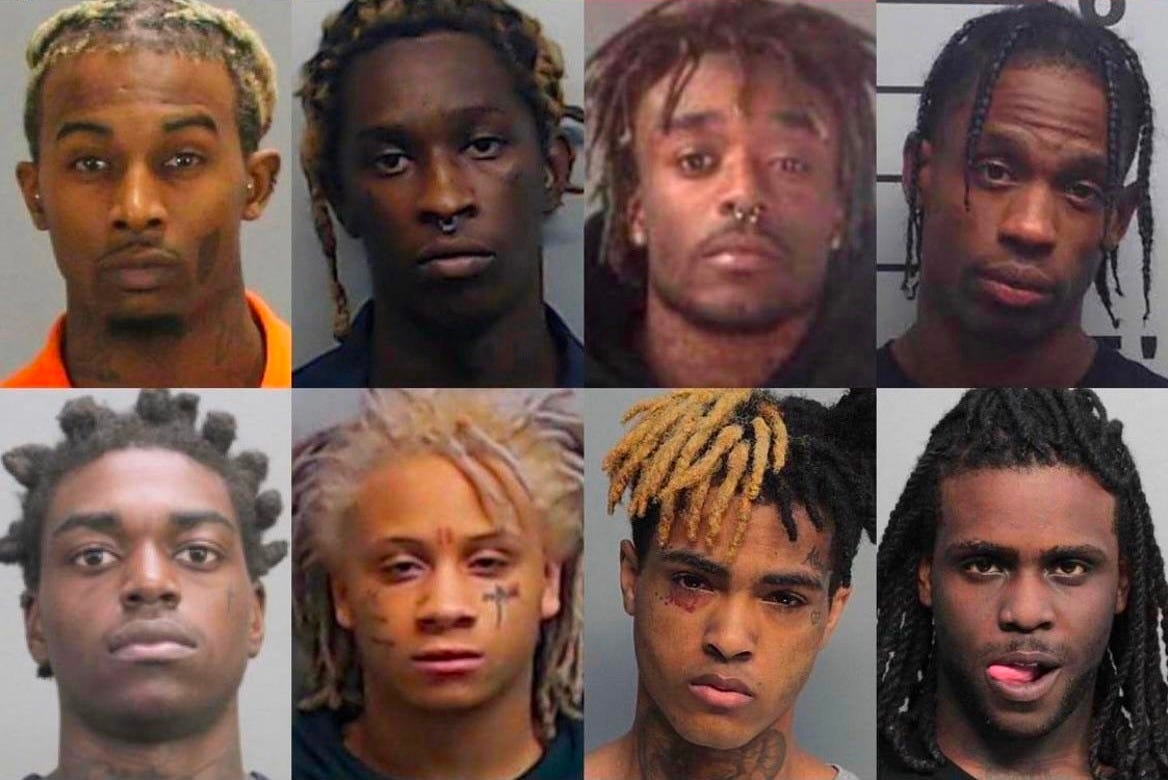
“Young Thug is free!”
Well, not exactly.
If you consider having to be granted permission to visit your hometown paired with 15 years of probation—plus a “backloaded” 20-year sentence if he fails to complete his probation—as freedom, then sure, he’s free.
But freedom isn’t the only thing we’re after when someone gets caught up in the legal system; plenty of people aren’t serving time in prison yet justifiably feel victimized by the police, courts, or system at large. The thing we’re after, especially when it comes to rap culture's historical entanglement with the system, is justice.
Rap and the legal system go way back
Hip-hop has been a dominant force for half a century. And during that time, its ‘beef’ with the justice system has been at the forefront—even more so than the rivalries within the genre itself.
In the '80s, N.W.A. shook the nation with their anthem "F*** the Police," sparking societal debates about free speech and leading to Parental Advisory labels on the group's albums. The '90s saw the infamous East vs. West Coast rivalry, epitomized by the feud between Tupac Shakur and The Notorious B.I.G.
However, the brutal beating of Rodney King, record crime and drug rates, and the industry’s relatively low prominence in mainstream media meant that discourse revolving around the culture was more about external pressures — like the justice system — and the rumors that fueled them.
Still, attention to these disputes grew as rap continued its climb to the top of the entertainment world. With the rise of smartphones and social media, and a decline in crime rates and police brutality, the legal system has been brought into the spotlight like never before. And with it, the rap community's very public ties to them.
But with this growth in popularity and availability, there’s been a shift in focus from justice to freedom when it comes to artists’ conflicts outside of music. Many fans’ love for celebrities has overshadowed the importance of the law and the legal consequences of illegal behavior. This mindset not only undermines rap culture itself, but it also harms the individual rappers who feel pressured to act in an unethical way, or who believe they can act without facing repercussions due to their popularity.
Freedom should be about justice, not location
I love hip-hop and rap as much as anyone, but when I see Young Thug locked up for breaking the law—in a significant way over a long period—some fans seem to want to pretend he should be immune from the allegations. I’m not saying Thug, or any rapper under legal scrutiny, is guilty—far from it.
When people respond to accusations of legal recklessness with "#FREE [insert favorite celebrity]!" it doesn’t show a genuine concern for justice, only for the star in question; it’s not an indication that we want actual criminals to be held accountable for wrongful conduct.
This isn’t to ignore the real issues with the justice system or how laws are enforced. It's valid to argue against a particular charge or to say a judge's sentence is too long or harsh—that’s what appeals courts are for! But the idea that we should reject the system entirely, or that everyone in the system is out to get rappers simply because of cultural stigmas doesn’t make for good public policy.
Please stop ignoring alleged crimes
Fellow rap fans: if you want legal justice for rappers, and improvement of cultural norms, telling an artist they shouldn't have to face any consequences for potentially illegal actions due to your fandom is ineffective and indeed harmful. Trying to make young rappers feel justified or unaccountable for their behavior undermines the very goal of rehabilitation that critics of the justice system claim to support!
It might be helpful to first attempt to point out contradictions in the charges, argue for a less severe sentence, raise concerns about the prosecutors’ actions, figure out if the officers read him their rights, or if they were acting improperly in the investigation—those are all valid points to discuss.
When Ice Cube wrote a song directly— and quite explicitly— criticizing the police nearly 40 years ago, it stemmed from real-life experiences, emotions, and traumas born from repeated negative interactions with law enforcement in his neighborhood. But that doesn't mean if Cube were found guilty of tax evasion we should excuse it outright. As a fan of his, I would look for real clues to his innocence.
It’s time to stop saying "FREE [insert favorite rapper]" and focus on actually finding ways to improve parts of the legal system: criticize bad or illegal behavior when we see it, and make sure no one—rappers included—feels they’re neither above the law or victimized by it just because of their fame and wealth.
Preach Brotha!!!